After the summer, companies are resuming their AI projects in a landscape that has shifted significantly since January. Three dynamics are structuring this fall season.
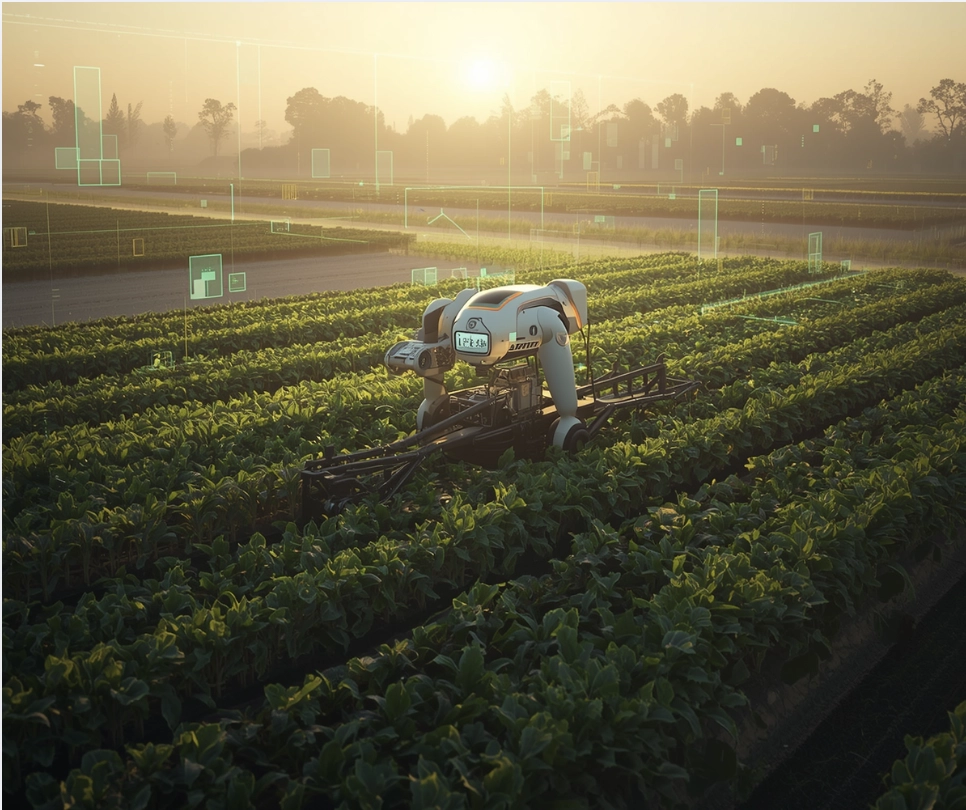
Multimodal AI is moving beyond isolated use cases to become integrated into business processes. Previously confined to one-off experiments — image analysis on the one hand, text processing on the other — AI capable of simultaneously analysing text, images, sound and structured data is beginning to be incorporated into complete workflows. A customer service team can now analyse a written complaint, a screenshot and a recorded call as part of the same process. The start of the new financial year is the time when several business departments are testing these combined applications rather than isolated components, which is changing the nature of the projects that need to be managed from an IT and data governance perspective.
“Shadow AI” is becoming a governance issue in its own right. During the summer, the use of consumer-grade AI tools by employees — without IT validation, often without awareness of confidentiality issues — multiplied. The beginning of the fall is traditionally the time when IT and HR departments review their internal policies. This year, many companies are moving from a posture of implicit tolerance to a formalized AI usage policy, with a list of validated tools, rules for processing sensitive data, and associated training.
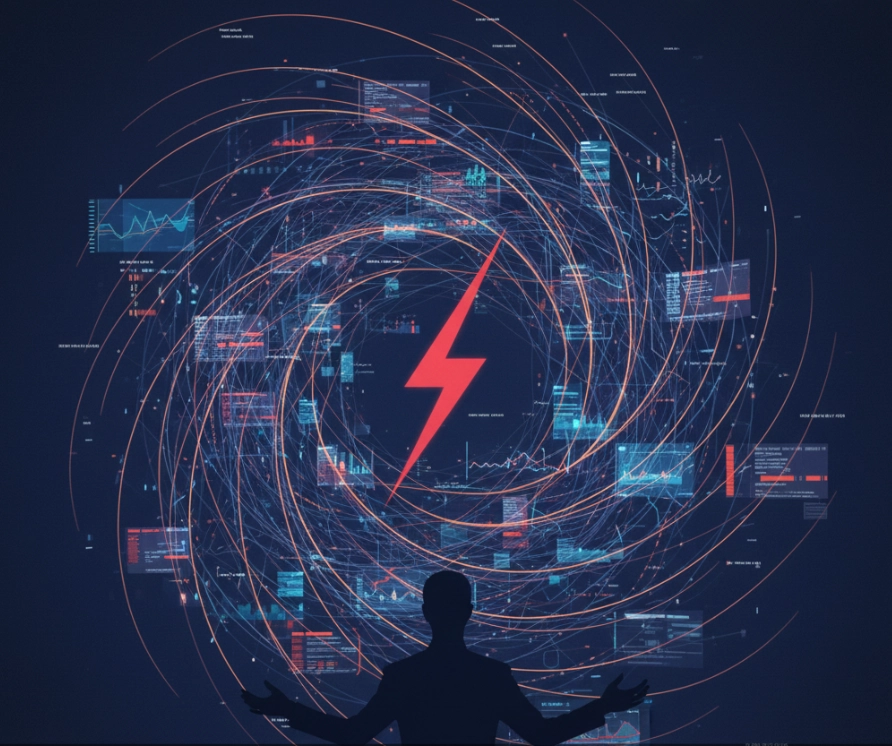
Cybersecurity is entering a phase where AI is being used for both attack and defence. Security teams are seeing a rise in AI-generated phishing and deepfake fraud attempts, with documented cases of bank transfer authorisations being obtained following a doctored video conference. On the defensive side, detection tools also rely on AI to identify suspicious behaviour with greater precision. The start of the new school year – a time when fraud attempts typically surge following the summer holidays – is a natural opportunity to refresh teams’ vigilance regarding these AI-specific scenarios.
The common thread between these three trends: the fall of 2026 is marked less by spectacular new AI uses than by a structuring phase — governance, sovereignty, security — following a period of rapid and sometimes disorderly adoption.